The most common mistakes beginners make in board sports
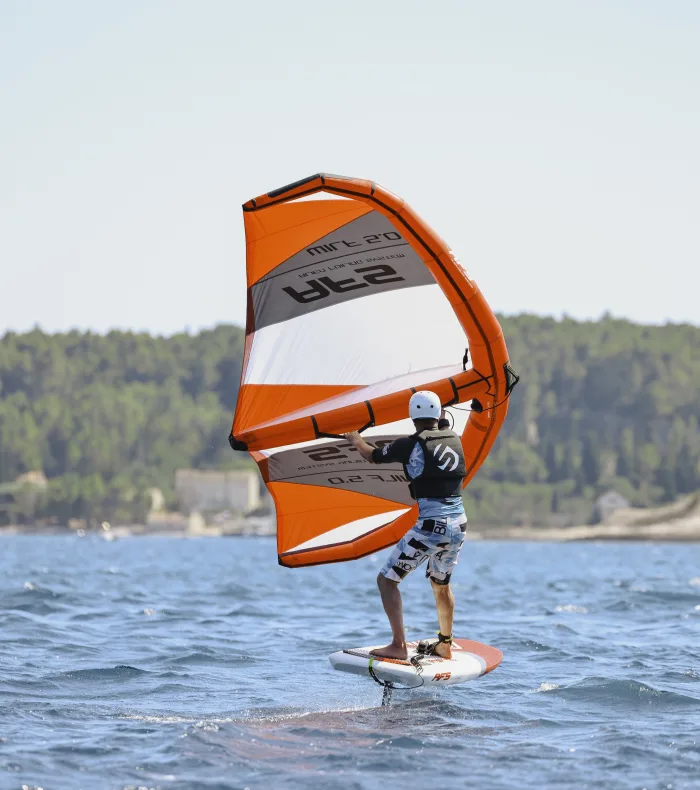
Starting a board sport is always an exciting moment: you imagine the first sensations, smooth gliding, rapid progress… But there’s often a gap between what you picture and how those first sessions actually go. Certain beginner mistakes in board sports come up time and again, whether it’s wing foil, kitesurf, parawing, paddle or E-foil.
The aim isn’t to avoid them at all costs (everyone makes them), but to know about them so you can progress faster and with more confidence.
Underestimating the importance of conditions
The first of the beginner mistakes in board sports is thinking that all conditions are the same. In Quiberon, the wind, swell and current really do affect your session.
If the wind is too strong, too gusty or from the wrong direction, it can make things much harder, especially when you’re starting out. On the other hand, if it’s too light, you might not get the right sensations at all.
Before your lesson, it’s best to trust the school’s advice and the weather forecasts they provide. Instructors choose a time slot that matches your level, so your session is enjoyable rather than a struggle.
Trying to rush things
This is probably one of the most common mistakes: wanting to go too fast. Trying to stand up straight away, picking up speed, attempting manoeuvres before you’re stable…
Progress in board sports comes in stages: first you get to know the equipment, then find your balance, then learn to steer, and only after that should you look for more speed or freedom.
If you try to do everything in one session, you’ll just get tired, frustrated, and forget the main thing: enjoying your time on the water. Accepting that learning takes a bit of time often means you’ll actually progress faster.
Standing in the wrong position on the board
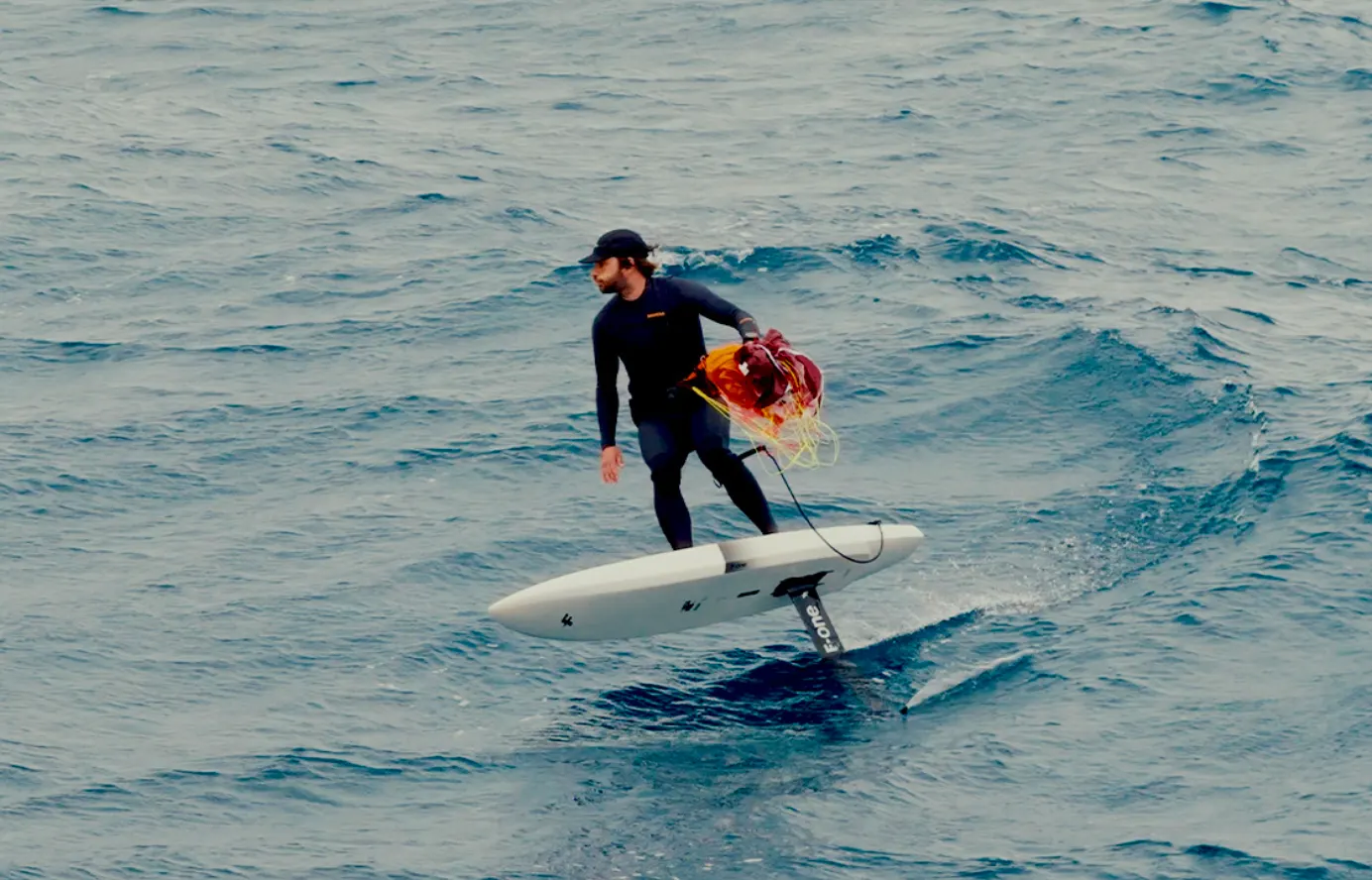
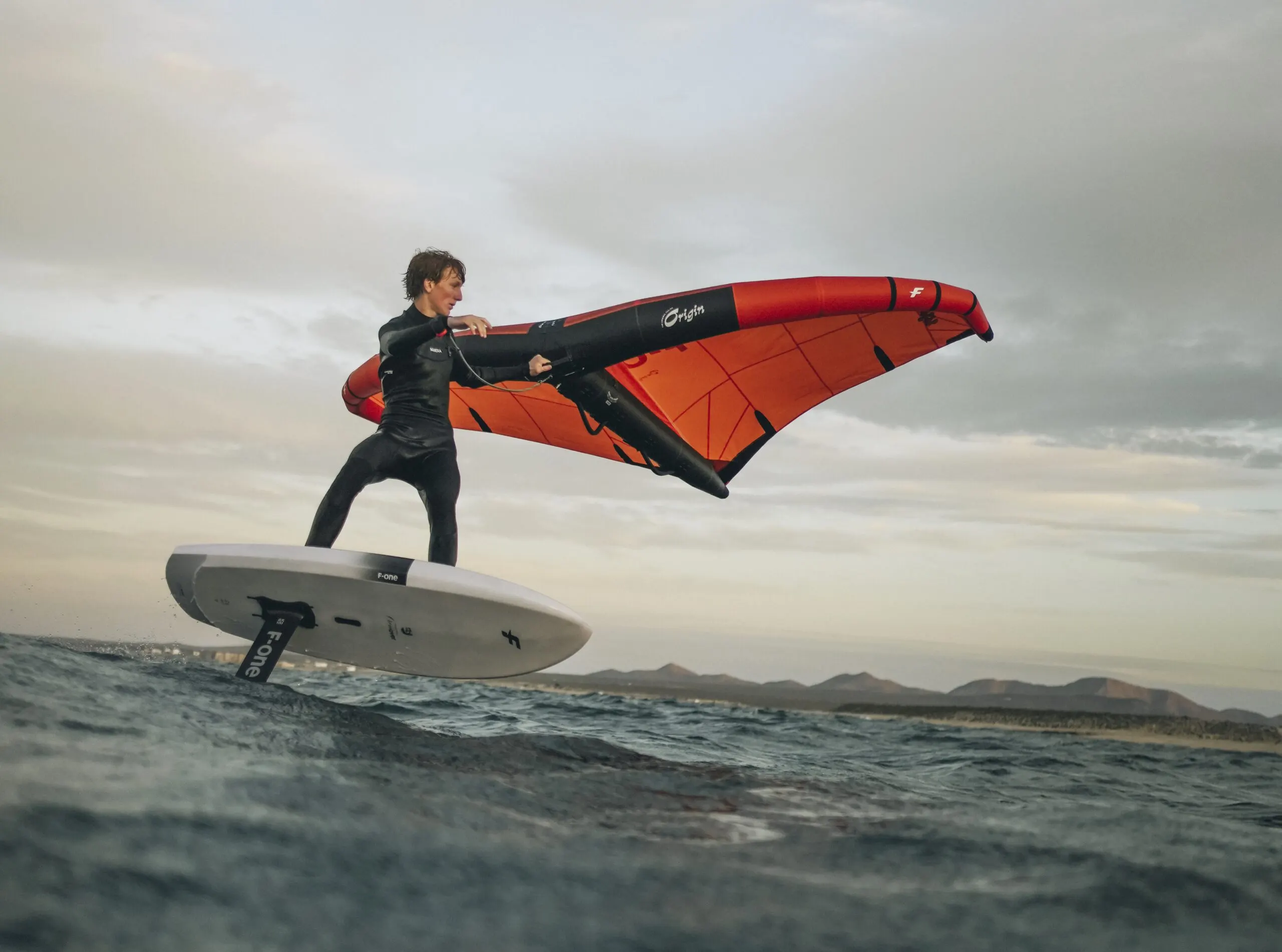
Another beginner mistake in board sports is being too stiff or tense. Leaning too far back, locking your legs, holding your breath… The result: the board becomes unstable, the smallest wave throws you off balance, and you end up falling again and again.
To stay stable, you should instead:
-
keep your knees slightly bent,
-
spread your weight evenly across both feet,
-
look ahead rather than at your feet,
-
breathe normally.
These are simple adjustments, but they make a huge difference to how good those first sensations feel.
Skipping warm-up and physical preparation
Many beginners head straight onto the water without taking time to warm up. But just a few minutes is enough to prepare your muscles and joints.
A simple warm-up (ankles, knees, shoulders, wrists) reduces the risk of minor aches and makes it easier to move once you’re on the board.
Preparation isn’t just about your body: arriving early, having a light meal, and staying well hydrated all help make your session more comfortable and effective.
Misjudging your level… or comparing yourself to others
Comparing yourself to other students, more experienced friends or what you’ve seen on social media is a common mistake among beginners.
Everyone progresses at their own pace, with their own sporting background, balance and confidence. Trying to do “what everyone else does” from the start can lead to frustration and make you forget that learning is personal.
The aim of your first lesson isn’t to be “good”, but to discover, feel and understand. Progress comes naturally, session after session.
Not listening to your instructor’s advice
Instructors are there to keep you safe, explain and correct. But some beginners stay focused on what they’ve seen in videos or what a friend has told them.
Not following instructions, sticking to your habits or wanting to “do it your own way” often slows down your progress.
Asking questions, rephrasing what you’ve understood, or asking to repeat a movement – all of this helps to build good habits.
In Quiberon, the school team is here to tailor explanations to each student.
To better understand how a lesson works and choose the right activity, you can check out our wing foil lessons or our parawing lessons.
Underestimating the impact of fatigue
A session on the water, especially at the start, can be more physical than you might expect. You discover new positions, you fall, you get back up, you try again… Fatigue can set in quickly, sometimes without you even realising.
A common mistake is to push on at all costs, even when your technique starts to slip.
Listening to yourself, taking a break, having a drink of water and starting again more calmly helps you finish the session with good memories, rather than feeling exhausted.
Forgetting that enjoyment is what matters most
Among all these beginner mistakes in board sports, there’s sometimes a simple idea that gets lost: enjoyment.
Focusing only on performance, results, or “total success” from the very first session makes you forget the journey. But it’s often the small improvements, those first seconds gliding, the first moments of control, that stick in your memory.
A good approach is to set yourself a clear but realistic goal (standing up for a few seconds, making your first run, feeling comfortable with the equipment) and to enjoy each step you achieve.
Before your session, don’t hesitate to check the official advice from the SNSM, which reminds you of the essential best practices for enjoying the sea safely.
Conclusion: mistakes are normal… and help you progress
Making mistakes in board sports is normal, especially during your first sessions. The key is to recognise them, understand them, and turn them into opportunities to improve.
In Quiberon, the conditions, suitable equipment and professional instruction mean you can learn in a safe environment. By avoiding the most common beginner mistakes in board sports, you’ll gain confidence and enjoyment, session after session.